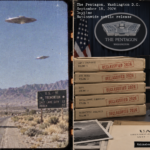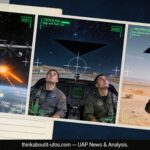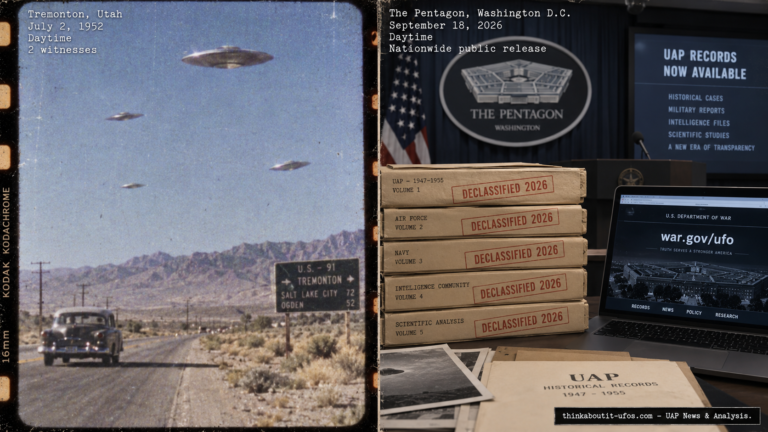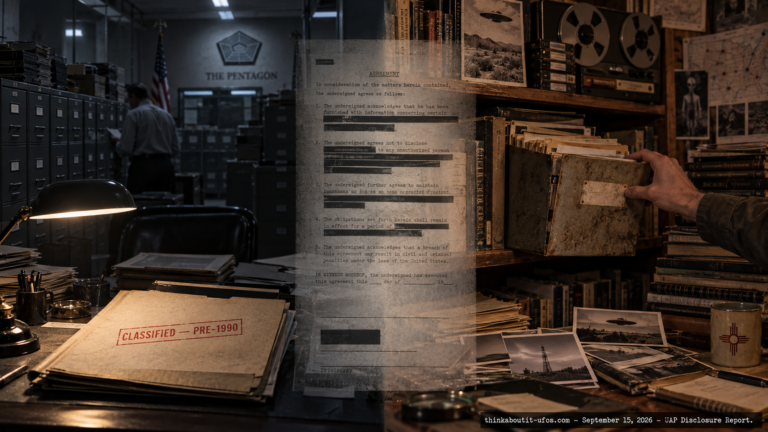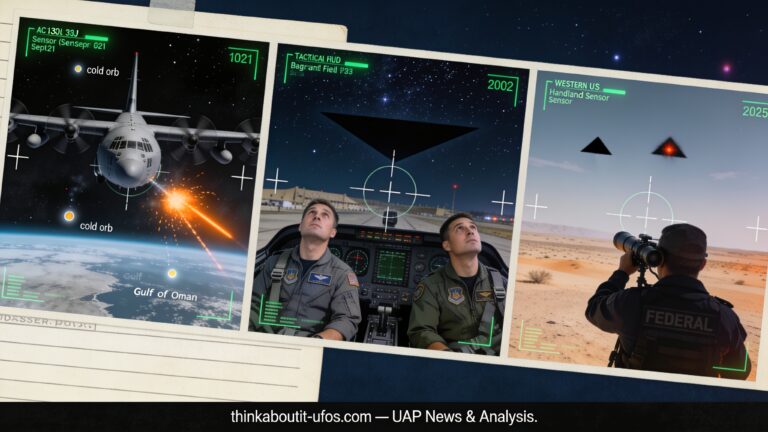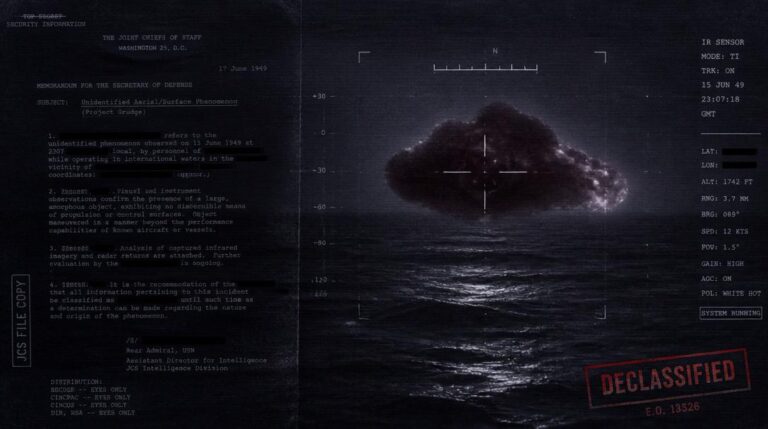
From the poles to the tropics, U.S. military operations have been deployed to monitor and recover unidentified aerial phenomena.
U.S.A. Operations Index:
What happens when the military moves from observation to action? The U.S.A. Operations Index catalogs the most significant field deployments in the history of the UAP cover-up. From the post-WWII scramble to secure advanced aerospace intelligence in Operation Paperclip to the mysterious naval expedition to Antarctica known as Operation Highjump, these entries document the physical reality of the phenomenon.
Explore the high-seas drama of Operation Mainbrace, where NATO forces encountered “unidentified” craft during massive maneuvers, or the clandestine recovery protocols of Operation Blue Fly. Whether you are investigating the secretive Jason Society or the strategic implications of Alternative 3, this index is the definitive guide to the military’s active role in the UAP landscape.
Executive Summary
The U.S.A. Operations Index functions as the “Operational Log” for the Think Aboutit research project. Its objective is to distinguish between theoretical research and actual boots-on-the-ground deployments. By categorizing records into Post-War Intelligence (Paperclip), Polar Expeditions (Highjump), and Recovery Task Forces (Blue Fly), this index provides a clear timeline of how the U.S. government has physically engaged with UAP-related technology.
In the 2026 transparency era, these operations provide the physical evidence needed to support modern whistleblower claims. This archive connects the dots between historical events—like the sightings during Operation Mainbrace—and the specialized units within the CIA and Air Force that have managed these assets for decades. This is the roadmap for understanding the military’s proactive stance on the unknown.
“The mission was to identify the source of the interference. What we found was a technology that didn’t belong to any nation on Earth.”
Unidentified Navy Officer, regarding Operation Mainbrace
About the Author